What makes an Australian national park worth a visit in the summer of 2026 is a matter of location, your tolerance for the heat and if you are after some serious hiking or perhaps a beach and wildlife encounter. If cooler climes are more to your liking, head to New South Wales’ higher country or the coast of Victoria, or make for Tasmania. Tropical scenery requires you to be mindful of wet-season access restrictions and park alerts, and to plan around the dry season.
Ivy Kensington
Australian environmental writer, Brisbane
Having put in my time on the walking tracks and heeded my share of weather warnings over the years, I have come to appreciate that a “short walk” can be as much a sweaty uphill affair as a pleasant one. So I put any place through three tests: is it seasonally right, is access a practical proposition and can one enjoy it without being remiss on safety? The following guide to Australia’s finest national parks is written with those criteria in mind and offers some down to earth counsel for a summer holiday.
Summer in Australia’s Parks
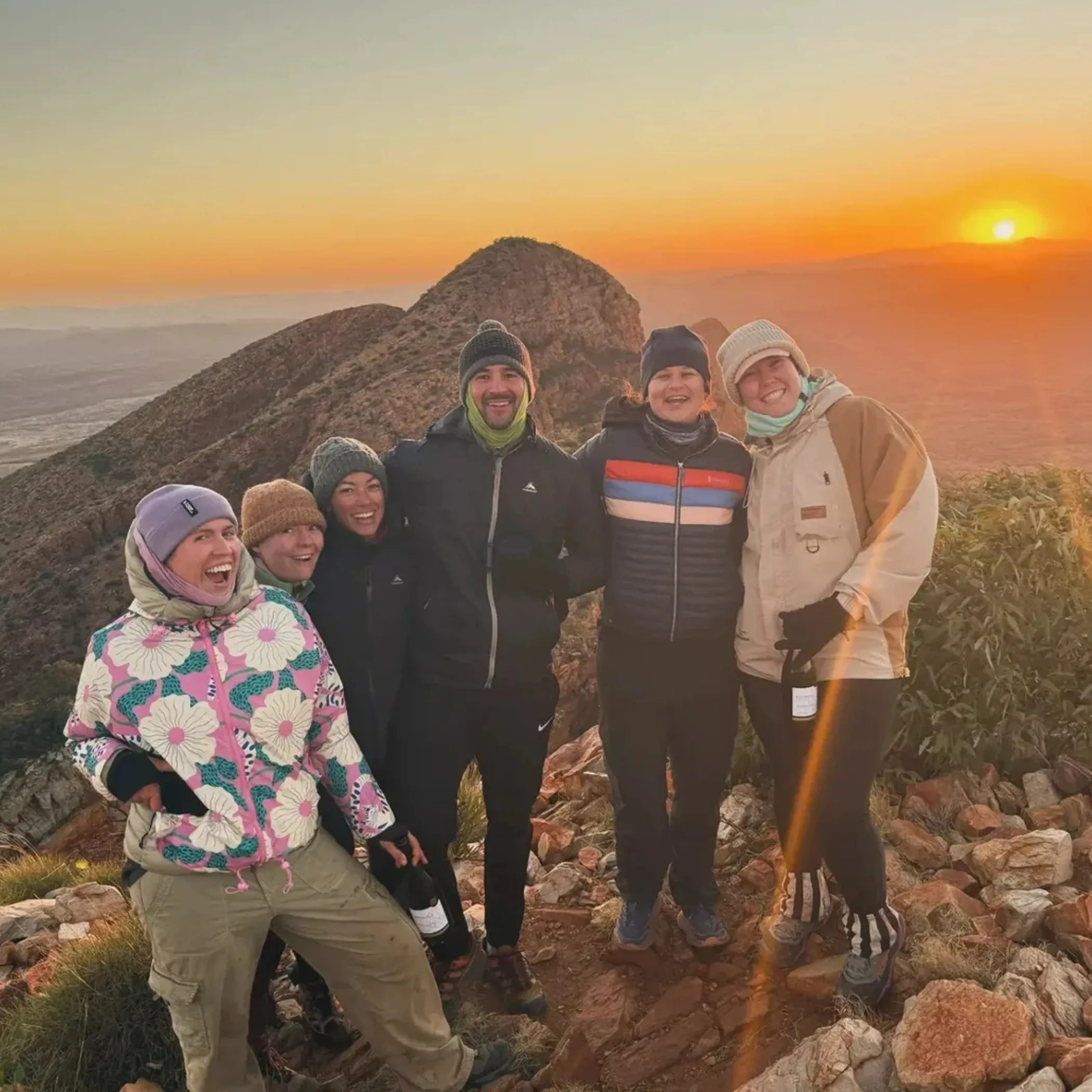
You will not find a uniform experience in Australia’s national parks when summer comes. In January the tropical Queensland rains may be falling while there is humid heat in Kakadu National Park, cool alpine mornings in Kosciuszko and the odd patch of dangerous fire weather in the south. Do not go by the postcard; pick the park that is in keeping with what you will find on the ground. A Grampians January hiking trip can offer a different summer option.
An official check is in order before you set off. Make sure you have the details on road and track conditions, water, camping rules and any weather warnings. For the protected areas of Australia, look to Parks Australia for its information. Local permits, closures and the like are the province of the state and territory park agencies.
A Few Quick Recommendations
For good visitor facilities and some accessible scenery, the Blue Mountains or Wilsons Promontory will do nicely. Daintree and Kakadu are fine for their tropical ecosystems provided you have verified seasonal access. Cradle Mountain-Lake St Clair and Kosciuszko are better options should you want longer days in the cooler air.
| Park | Best in Summer | Good for | Things to note |
|---|---|---|---|
| Wilsons Promontory | The beaches and coastal walks | Day walkers, campers and families | Accommodation is limited; also flies, snakes and the heat |
| Kosciuszko | A scenic drive or alpine hike | Those wanting to get out of the heat | Exposed tracks and the weather can turn fast |
| Daintree | Wildlife, creeks and rainforest | The nature traveller | Access may be restricted; watch for crocodiles and flooding |
| Blue Mountains | Waterfalls, trails and lookouts | A short break from Sydney | Cliff edges, bushfire risk and closures |
| Freycinet | Sheltered bays and the coast | Beach and park visitors | Parking at a premium in the busy summer months |
How to Pick Your Park
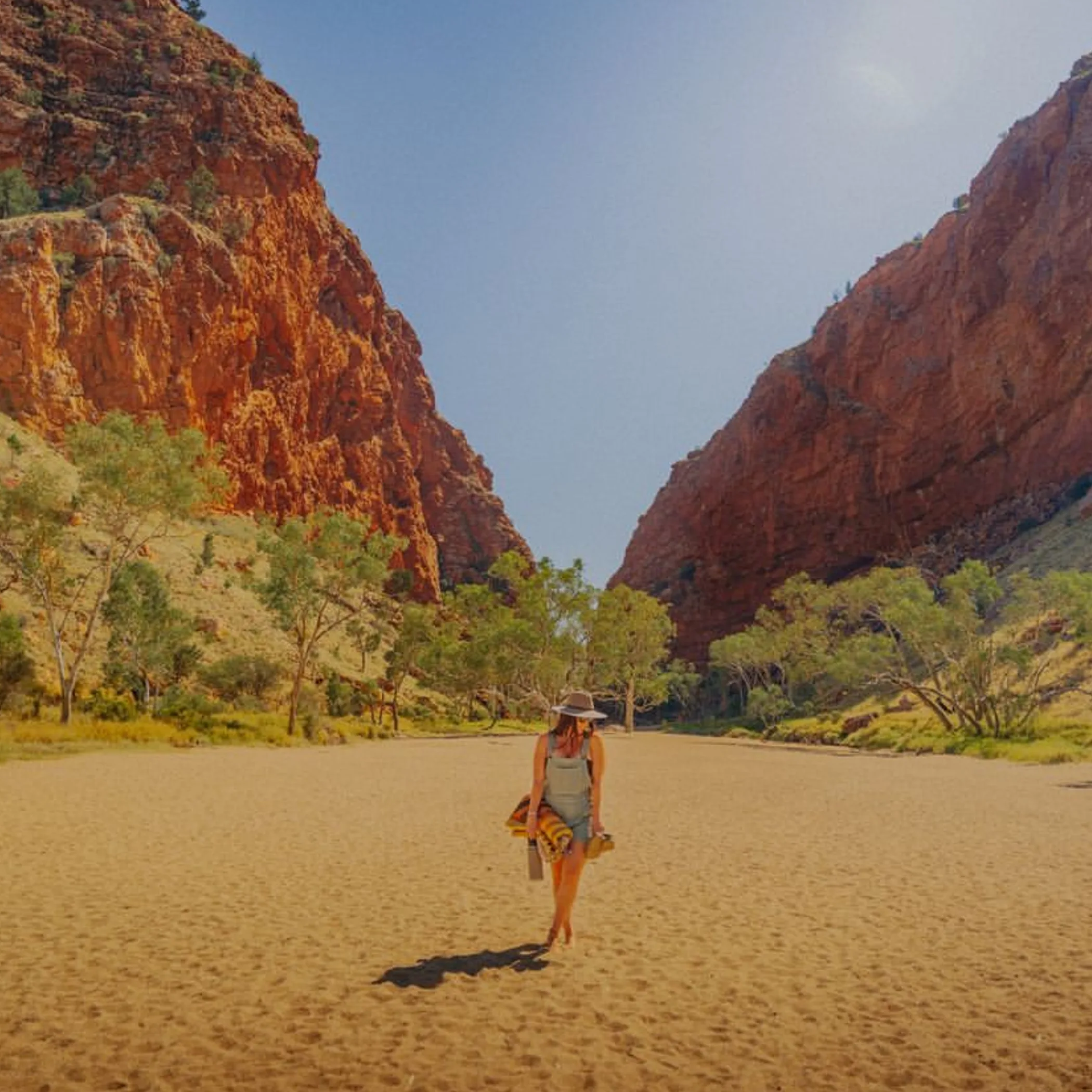
Start with the climate, then give thought to transport and fitness. An out of the way park might be something else again until you are there late, out of water and find the road back is shut. Then it is a poor choice.
The regions differ. You may have a mild day in the alpine or in Tasmania but cold nights. In northern Queensland expect humidity and storms and the odd flood, while the Top End has its wet and dry seasons. Hot and windy weather in the southern parks can mean smoke, bushfire danger and the odd closure.
Know Your Limits
If you are a beginner, stick to the well marked tracks close to the visitor centre and where there is a reliable road. A long walk calls for more than a guess at your fitness; factor in the heat, a few photographs, rocks that are not to be trusted and the likelihood of a member of the party having no time for hills. Even the seasoned hiker would do well to have a navigation backup and check the forecast. On an exposed alpine or coastal track things can change in a hurry. In the tropics you need to be conversant with leeches and stinging insects and how to handle a creek crossing and crocodile country.
Make the Most of a Day
With only a day to spare, select a park where the attractions are not spread too far apart. In the Blue Mountains it is wiser to take a major lookout and a sensible circuit than to try and cover a number of distant valleys. Get in early at Freycinet for the main lookout and put aside time for the beach and the drive home.
There is little point in an over ambitious schedule for a day trip. Temperatures will climb and the going back will be slower once everyone is done in and the car park is full. One primary walk and a backup is a sounder plan than trying to tick off seven stops.
Heat in Queensland Parks
You will find some of the more singular nature destinations in Australia in Queensland, be it rainforest, tropical savanna or reef. A summer visit can be well worth it yet one has to plan with some candour for the northern climate: the humidity is no joke and storms put in an appearance in short order; roads, tracks and boat access are at the mercy of wet-season rain.
Lamington National Park and its rainforest environs in south-east Queensland are a good bet for a cooler walk than what the coast will give you. Up north the Daintree is not so much a day at the beach as an immersion in rainforest ecology. The going is wild and wet in this beautiful country and there are creatures about that have not been made aware of your plans.
Planning for Daintree and the Reef
A local operator or the visitor centre can advise on getting into the Daintree after a downpour. Do not make the mistake of thinking a Great Barrier Reef trip and a rainforest walk are part of the same outing; they are separate affairs and should be given a full day apiece instead of being crammed in.
Transport is where most people are caught out. Mobile reception is not to be relied upon and timing is key for certain roads and attractions. Have sun protection, insect repellent and drinking water to hand and a dry bag for any electronics. Heed the signs and do not swim where there is a risk of crocodiles or other hazards.
Making K’gari Work
For camping, sand tracks and lakes K’gari National Park is hard to beat but it is not a holiday to be driven on to in a casual manner. One needs to know how to handle a four-wheel drive, manage tyres and be mindful of the tides and recovery options. An expensive problem is all it takes for soft sand and an incoming tide to ruin a detour.
Put in your permits and book camping in advance and respect the rules of access; do not be driving on the beach if it is not safe. When you have only the one day, a guided tour makes more sense than putting an inexperienced driver in a 4WD. Families would do well to bring extra provisions and shade as the distances on sand are deceptive.
Walking in New South Wales
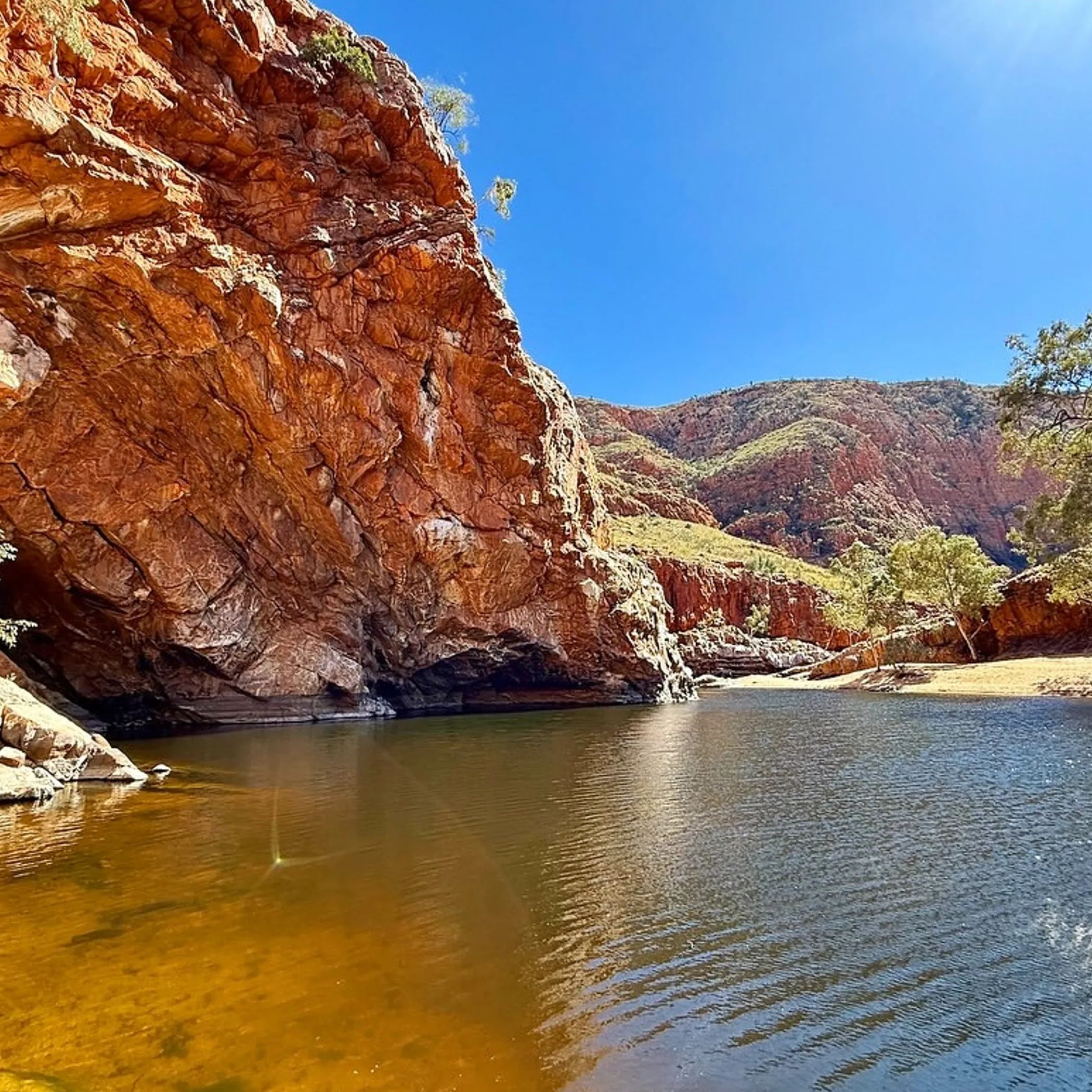
There are few better places to hike in Australia than in New South Wales for those wanting national park access from a major city. For sandstone and waterfalls the Blue Mountains is the place to be, Kosciuszko for the alpine air and longer hikes.
Do not assume the mountains are cool in summer. The lower valleys run hot and a fire danger can put a stop to a track on very short notice. What the forecast headline says is not as important as the alert; a town may be mild but an exposed ridge or valley track will not be.
Blue Mountains in Moderation
Pick a base close to an access point and a walk suited to the heat and the time of day and when you need to get back. You can put in an hour or two on a lookout circuit, but a steep valley will have you spending the day and your legs will be like overcooked spaghetti.
Water is a must even on short tracks and stay off the cliff edge and behind the barriers. After a rain the waterfalls are fine to look at but the sandstone is treacherous and a creek crossing can be swamped by flash flooding. As for bushfire safety, an evacuation order from the authorities is to be obeyed without question.
Kosciuszko
Walkers in search of open alpine country will find Kosciuszko a good summer option. It can be comfortable enough on the higher ground but then the wind and cold rain will be on you in a hurry, so put on some warm layers before you put the car away.
Alpine walking is not a flat stroll and many do not get the logistics right. See to your return transport and check the profile of the track and where the water is. Get an early start on the longer ones and turn back before you are done in; there is not much to hide from the sun and you cannot count on mobile reception for your safety.
Victoria and Tasmania
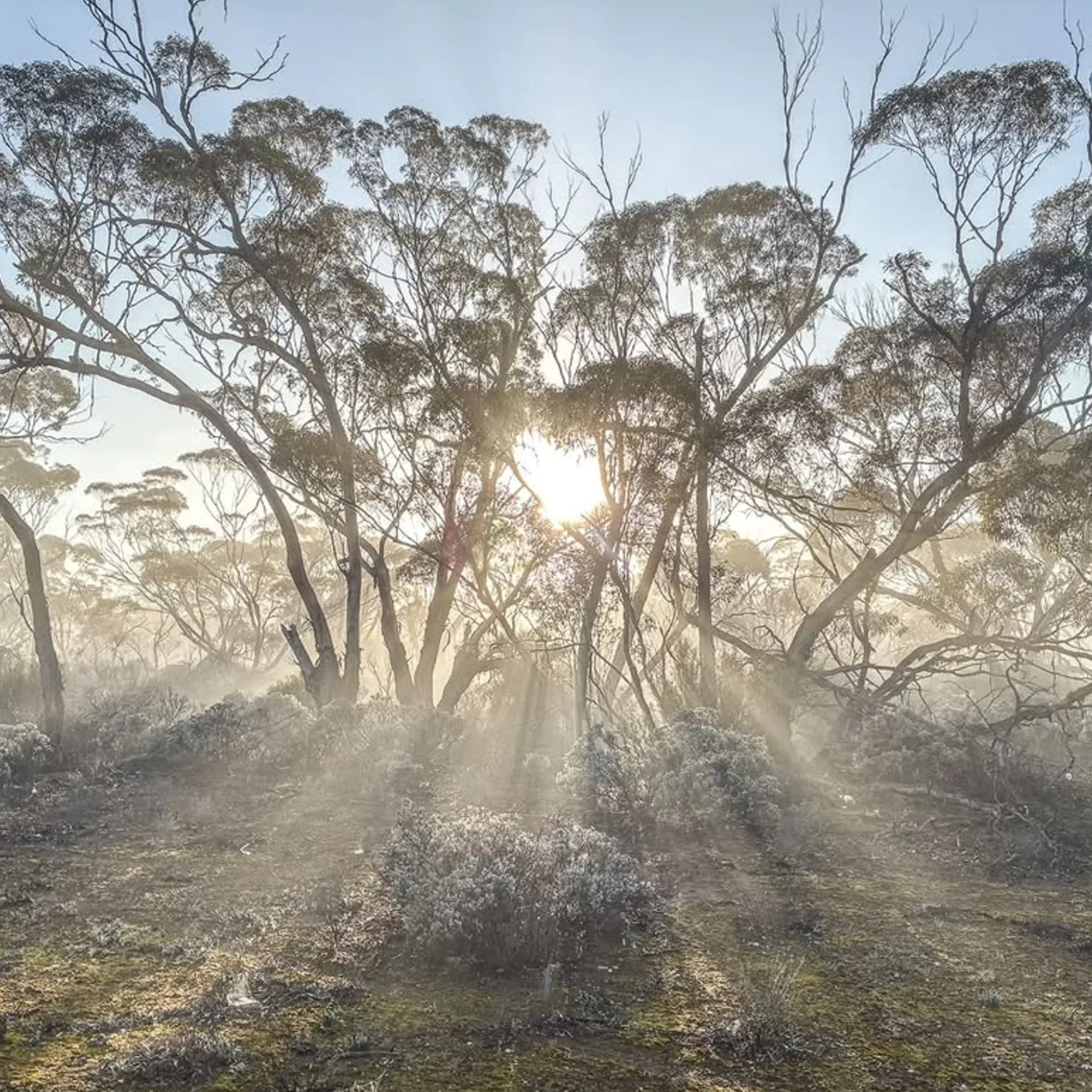
These are the states to go to for a summer’s walking sans the tropics. Expect to see beaches, wildlife and forests in their parks though the more popular spots will be heaving in January and on weekends during school holidays. Limited accommodation and seasonal challenges at Wilsons Promontory highlight the need for early planning and caution during summer visits.
Wilson’s Promontory is a solid all-rounder in Victoria for coastal walks and camping. In Tasmania Freycinet has its accessible scenery and Cradle Mountain-Lake St Clair is for those who do not mind the weather being changeable and the conditions cooler.
At Wilsons Promontory
Make an early start in January or you will find parking and accommodation are gone. On a hot day a headland or shorter beach walk is preferable and take more water than you imagine. Animals are apt to show up near the road and campsites, so do not feed them and put the car in low gear.
There is a difference between what one might expect of a coastal park and the reality on the ground; not all walks are to be had on flat terrain. One will find sand, exposed areas and steep steps on certain tracks. It is wise for families to pick a route of sensible length and put aside time for a swim or a snack, and to look for that hat which has a way of going missing.
Freycinet And Cradle Mountain
A morning in Freycinet National Park can be well spent on a walk before heading to a sheltered beach. Do not be surprised if summer numbers impede your progress on the main lookout, which is no gentle slope. Make sure to have accommodation booked and parking sorted prior to making the drive in.
Then there is Cradle Mountain-Lake St Clair National Park, where the weather has more say and it is cooler. A fine morning in Hobart is no assurance of an afternoon of sun on the mountain. Put on some layers and have waterproofs at hand; do not take the forecast as gospel. This is a park for the prepared walker, not those who want a picnic with the warm weather guaranteed.
Western Australia And The North
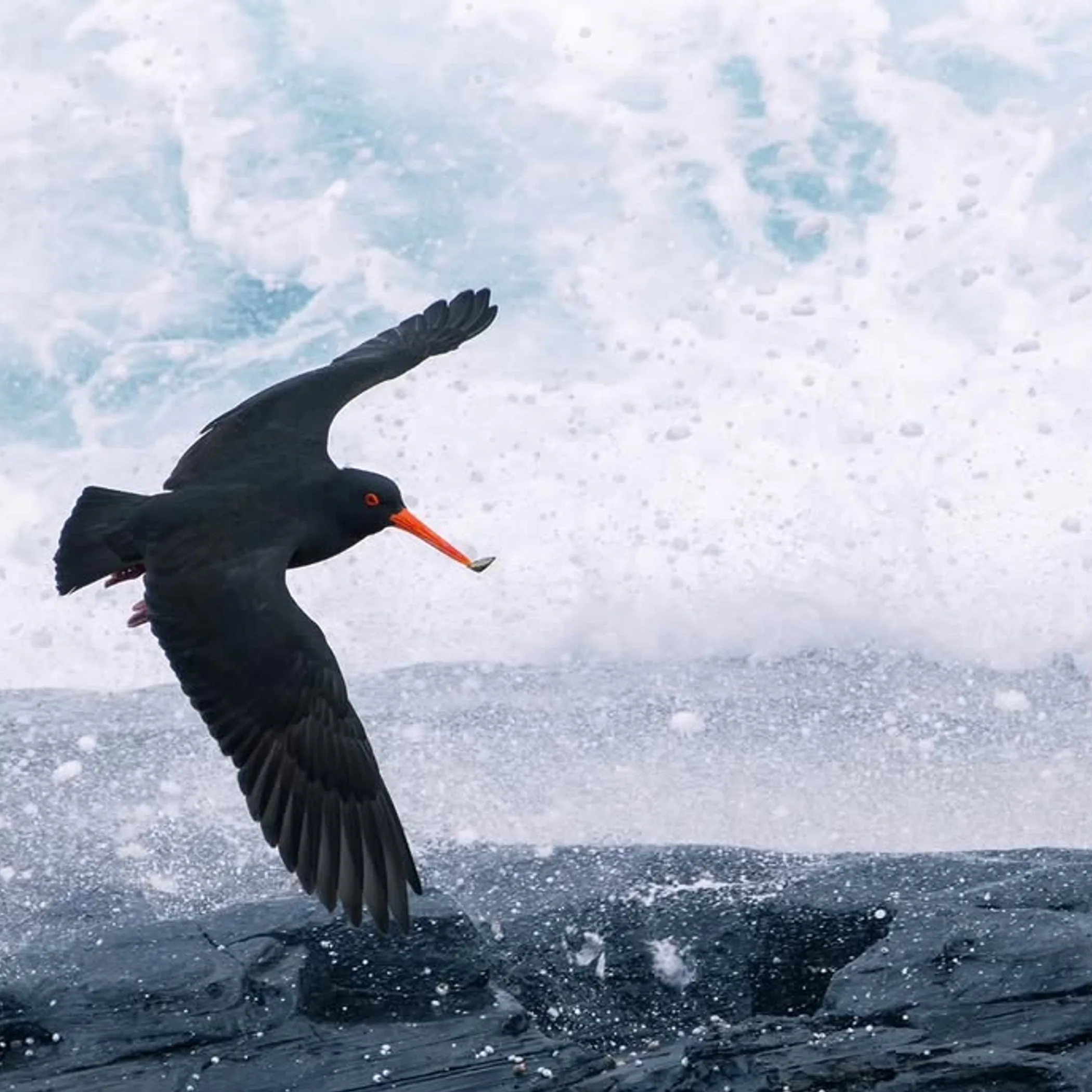
The national parks of Western Australia, the Northern Territory and South Australia are among the most memorable for any 2026 traveller in Australia, provided the summer timing is right. Up north the wet season from November to April is apt to mean closures, flooding and even cyclones. Inland and to the south the heat can be so intense as to preclude walking in the day.
In the north the dry season is preferable. Kakadu National Park is rewarding once the roads and attractions are open, though access is seasonal. Be sure to heed local park alerts and any cultural restrictions or permit requirements for Aboriginal land.
Kakadu And Top End Conditions
You cannot do Kakadu in a hurry. Set aside a few days to see the rock art, the wildlife and the wetlands and to put in some scenic driving. When the humidity and heat become much of a drain, leave the walks to early morning and rest or drive in the heat of the day.
Around waterways be croc-wise. A billabong may be quiet but do not count on its safety; stick to the marked swimming spots and the signs. In the more remote parts where you cannot get a signal on your phone, an emergency plan or satellite communicator is essential.
Remote Roads Need Respect
On the way to a remote park you could be on the Stuart Highway for long stretches or something like the Gibb River Road. There is little room for a road train and the surface is not always kind, while fuel is hard to come by. Inspect your tyres and check on road reports and your water and spare fuel needs.
The Pilbara and Mount Augustus are fine in the cool of the year but summer hiking is often too hot to be comfortable. Should the trip coincide with the hottest months, opt for a brief sunrise walk and put in your midday in the shade. As for camping out in the back country, think again unless you are experienced and have the equipment for it.
Summer Safety And Packing
Ordinary things like a flat tyre, getting turned around, dehydration or running late can be avoided with good preparation. Do not wait until the car is loaded to make an afterthought of the park alerts; they should be your last check before you go.
Fire and weather conditions have a habit of changing in a moment. Get an early start so as to be back before dark, have maps on hand and let someone know where you are going. And if a track is closed by the authorities, do not try to argue with the sign. You have lost that argument already.
Summer Park Checklist
- Make a point of looking over permits, camping bookings, road access and any weather or park warnings.
- Have a supply of food and drinking water, insect repellent, first-aid and sun protection, and a fully charged phone.
- Make sure to have on some sturdy shoes and put in your pack a few warm or waterproof layers to see you through alpine or coastal weather.
- Let someone you trust know where you are headed and when to expect you back.
- Respect fire restrictions, heed any swimming warnings and give wildlife a wide berth.
Costs And Transport
You will find costs differ according to the park, what time of year it is and how one likes to travel. Make allowances for accommodation, food, permits, fuel, camping or entry fees as they come up and perhaps transport for a tour. While public conveyance is fine in some of the parks in the vicinity of Sydney and Melbourne, you are likely to need a car, four-wheel drive, shuttle or a guide for the more out of the way places.
Do not be guided by the entry fee alone when making a budget, look at the trip as a whole. A campsite that is cheap but hours from supplies can end up costing you in time and fuel over one that is closer. For families there should be money set aside for an emergency meal other than cold beans from a billy, plus ice, water and activities.
Frequently Asked Questions
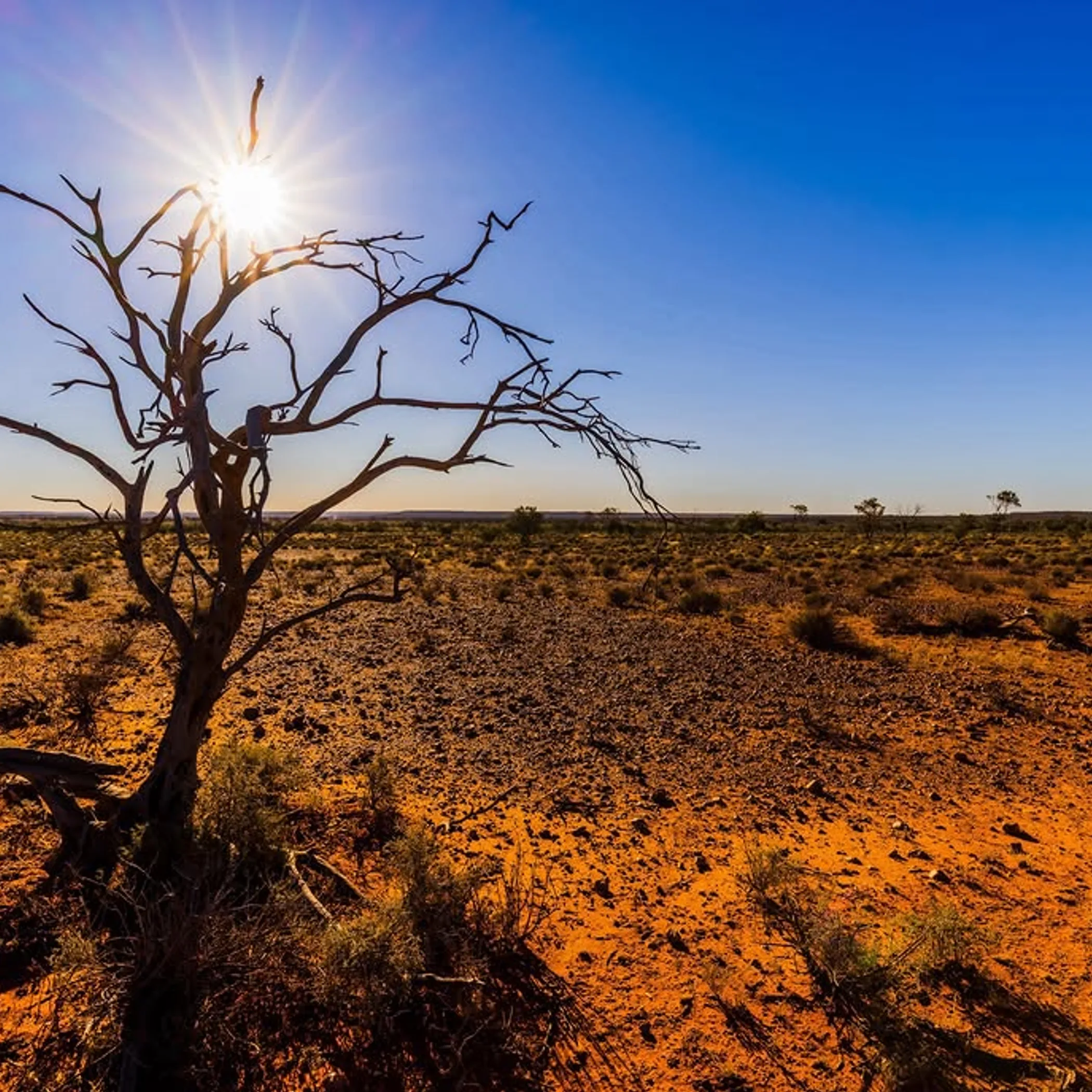
Most of the decisions that go into a good summer visit to a park are addressed in these questions. The answers are straightforward, yet local conditions should be verified prior to departure; access can be altered by the weather, fires or closures.
What Are Australia’s Top National Parks For A Summer Visit?
For milder or cooler walking in the summer, one could do worse than Kosciuszko, Cradle Mountain-Lake St Clair, Freycinet or Wilsons Promontory. Daintree and Kakadu are for those in a position to deal with the tropics and seasonal changes in access; for a short break the Blue Mountains National Park is well suited.
Which National Parks In Australia Are Best In January?
With early booking and an eye on the crowds, January is no problem in Tasmania or the alpine and coastal parks of Victoria. Do not assume January is right for the northern parks without checking; wet season rain, flooding or cyclones may have caused a closure.
What Is The One Best National Park In Australia To Hike?
There is no clear winner. You have the alpine hiking of Kosciuszko, the rugged Tasmanian landscape of Cradle Mountain-Lake St Clair, accessible walks in the Blue Mountains or the cultural sites and nature tracks of Kakadu. It is a matter of experience, transport, fitness and the weather.
Are There Any Family-Friendly National Parks In Australia?
Short tracks and some forethought to avoid the heat will make Wilsons Promontory, the Blue Mountains or the more open parts of Freycinet amenable to a family. K’gari is another option but demands more in the way of preparation than your average beach holiday given the tides, remote camping and four-wheel-drive requirements.
What To Pack For An Australian National Park In The Summer?
In addition to water, sun protection, insect repellent, a first-aid kit, food, a phone with charge and offline maps, take some layers for the weather and a pair of good shoes. On sandy, outback or alpine roads extra supplies are in order, as is a satellite communicator if you are going remote.
Pick A Park That Suits
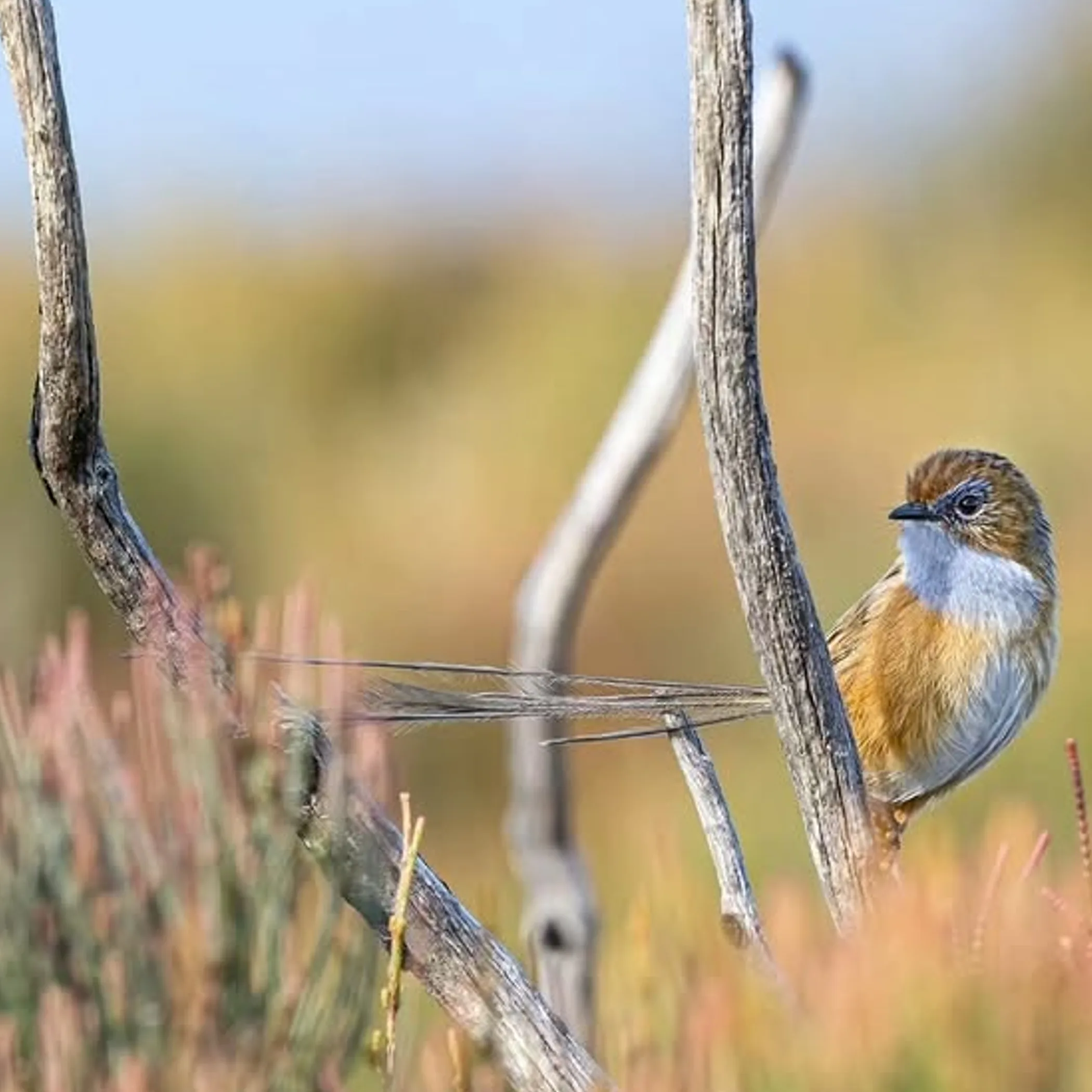
The summer national parks of Australia are best when their conditions are in keeping with your skills and how you handle the heat. Factor in some delays, get your transport in order and pick a sensible distance for your walk after looking at the summer weather and park alerts.
A January hike in the Grampians will be worth the effort if planned properly: steer clear of exposed tracks in the height of the day, have plenty of water and check on the fire situation. You do not need to tick off every park. Just get back sun-safe and weary enough to be considering the next track.
